




Creating Spaces that Work Harder
The way we evaluate space is changing. Across the workplace, mixed-use, and civic environments, performance is being reconsidered. Efficiency still matters, but it is no longer the only benchmark. Organizations are looking more closely at how well a space supports the people that use it, how easily it can adapt over time, and whether it delivers lasting value.
The following insights are informed by Gensler's 2026 Design Forecast.

Experience Is the Metric
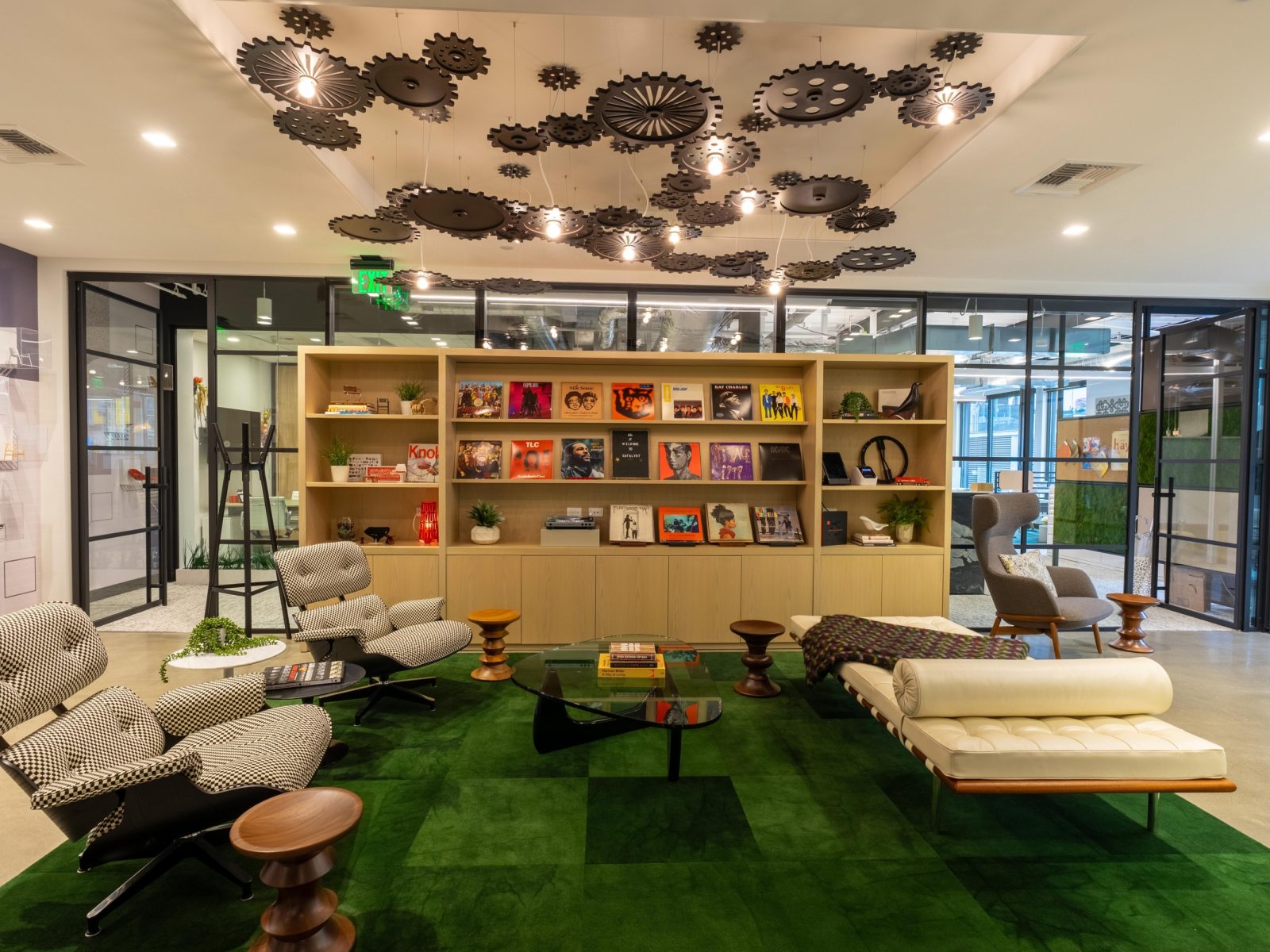
The environments that stand out today are intentional. They reflect culture, reinforce purpose, and give people a meaningful reason to be there. Square footage on its own is no longer enough to justify investment. The real measure is the impact a space has on the organization and its people.
For owners and occupiers, the discussion is shifting from quantity and square footage to outcomes. The real questions are:
- Is our space advancing our goals?
- How does it help our people do their best work?
- Is it positioned to remain relevant over time?
- How does it reflect who we are AND how we work?
- Will it be able to evolve alongside our team?

The Office Becomes Sharper, Not Smaller
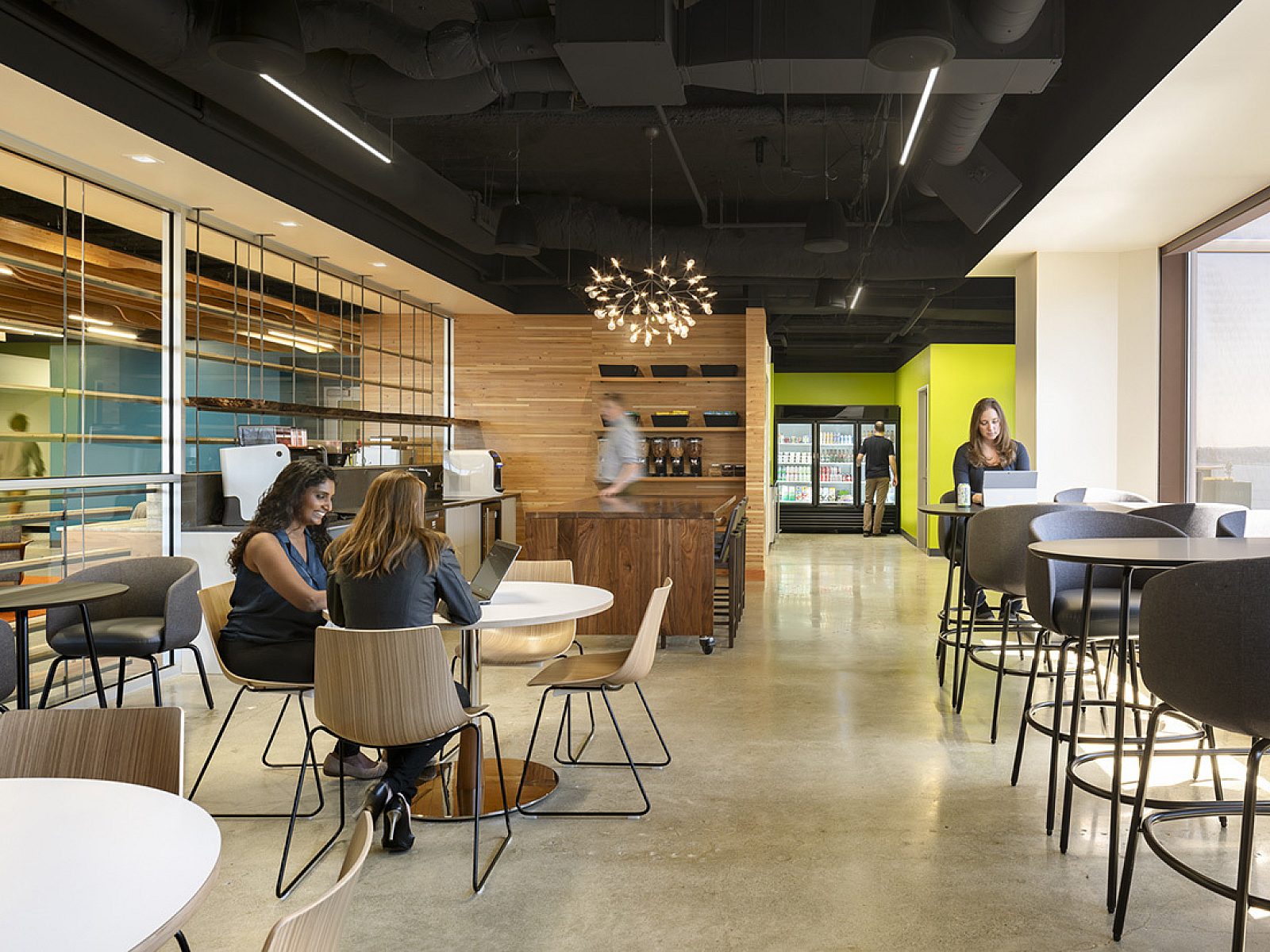
The return-to-office conversation is starting to settle into something more constructive. There is growing clarity around why people come together in person. It is for collaboration, mentorship, problem-solving, and focused work that benefits from proximity. In return, employees expect environments that reflect how work actually happens today.
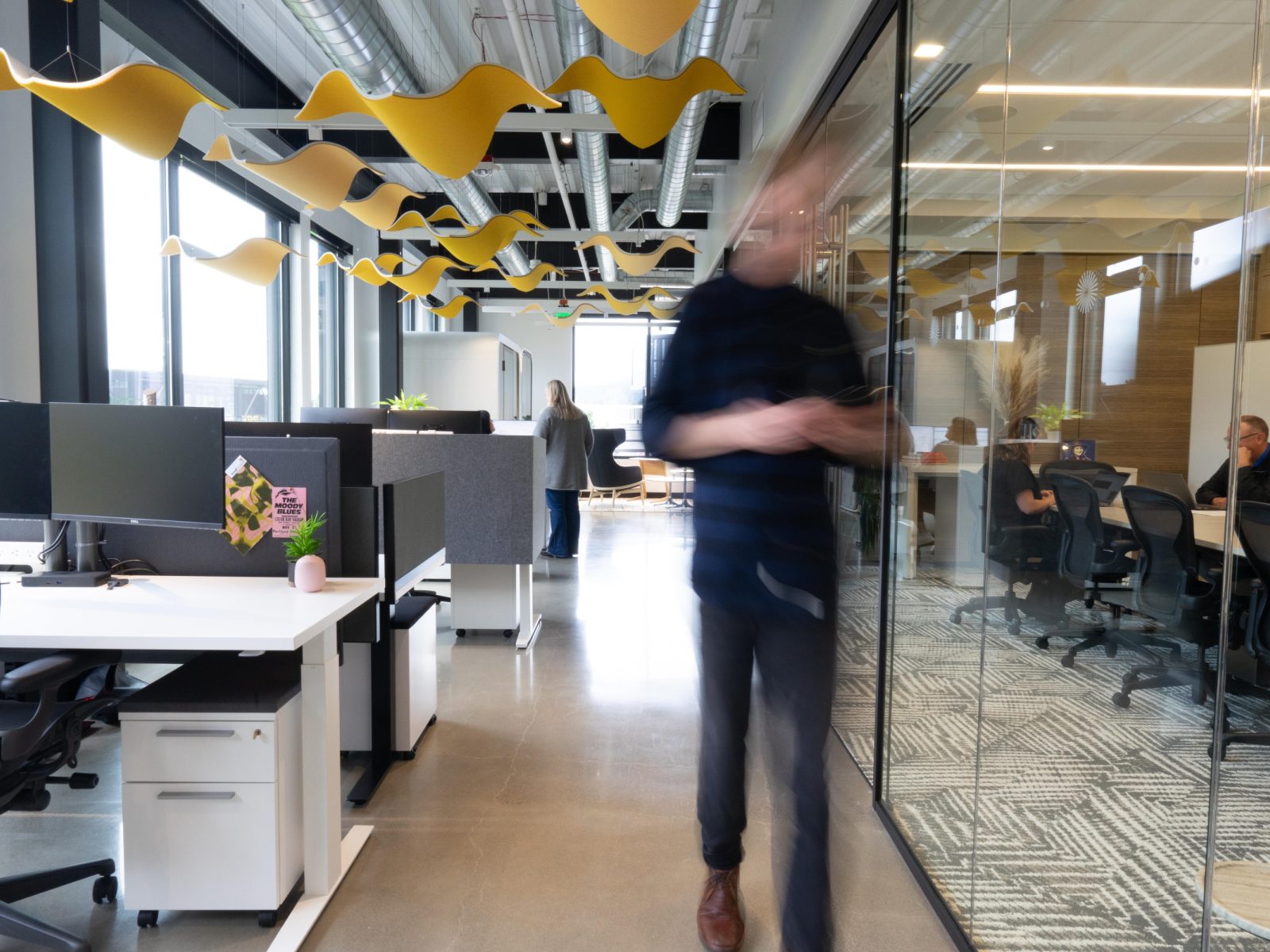
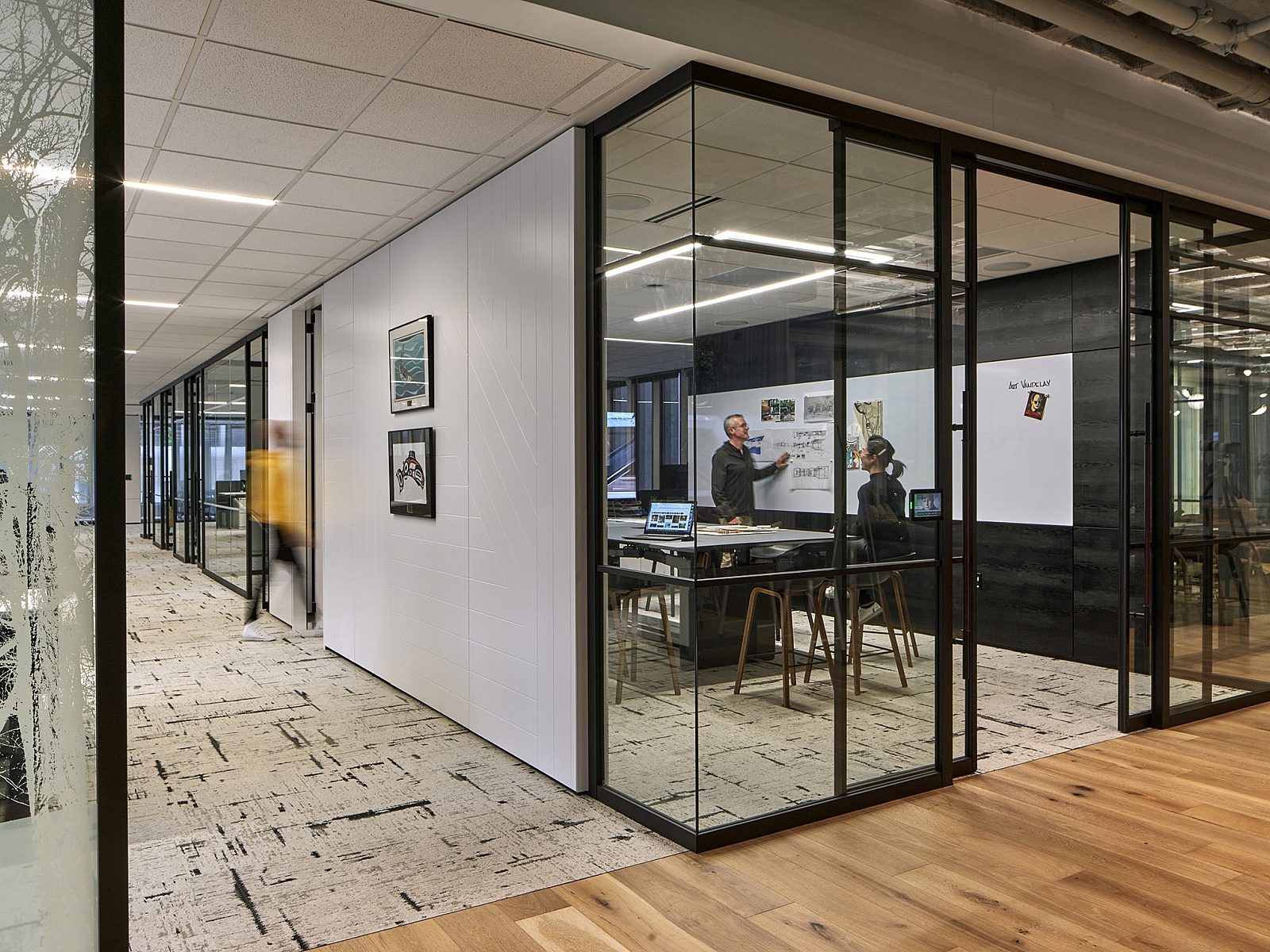
Workplaces are becoming more intentional. Layouts are being reconsidered, shared spaces are gaining importance, and design decisions are more closely tied to culture and identity. The office is not fading away. It is being refined with greater purpose.
At Catalyst, we see this shift firsthand as organizations rethink how their environments can better support evolving work patterns and long-term goals.

Agility Is a Strategy
Uncertainty is no longer an occasional challenge. It is part of the operating environment. Rising costs, policy shifts, and market fluctuations are encouraging teams to plan more carefully and make decisions with better information. Data is playing a larger role in that process. Digital modeling and scenario testing are helping organizations explore options earlier and understand the implications before committing to a path forward. The goal is not simply to react faster, but to make more informed decisions from the start. Flexibility has become essential. Spaces and strategies need to adjust as conditions change.
AI Moves Upstream
Artificial intelligence is becoming part of the planning conversation much earlier in the process. It can uncover patterns in how people use space, evaluate multiple scenarios quickly, and support more confident decision-making. The real advantage is not just efficiency. It is the ability to see more clearly and move forward with greater confidence. MillerKnoll’s Compass AI-powered design planning tool helps teams quickly generate data-driven space plans that optimize layouts for performance, flexibility, and employee experience. Providing a great starting point for further conversation.
Reuse and Resilience Lead the Way
Reusing what already exists has become a practical and often strategic choice. Cities are breathing new life into older buildings, and many organizations are choosing to reinvest in their current assets rather than defaulting to new construction. In many cases, the smartest path forward is to build on what is already there. Resilience is now part of how value is defined. Owners are looking beyond today’s needs and asking how their buildings will perform years from now. Energy reliability, climate responsiveness, and responsible material use are influencing decisions alongside location and amenities.
These are the conversations we are having with clients every day. Together, we are thinking long-term about how spaces can remain relevant, adaptable, and responsible well into the future.

Looking Ahead
Spaces that succeed will evolve, perform, and justify their existence, both strategically and aesthetically. Design is shaping outcomes.