










Catalyst Reimagines Styrofoam and Plastic Recycling
Catalyst launched a Styrofoam and plastic recycling program designed to reduce furniture installation waste and create a more sustainable approach to packaging disposal.
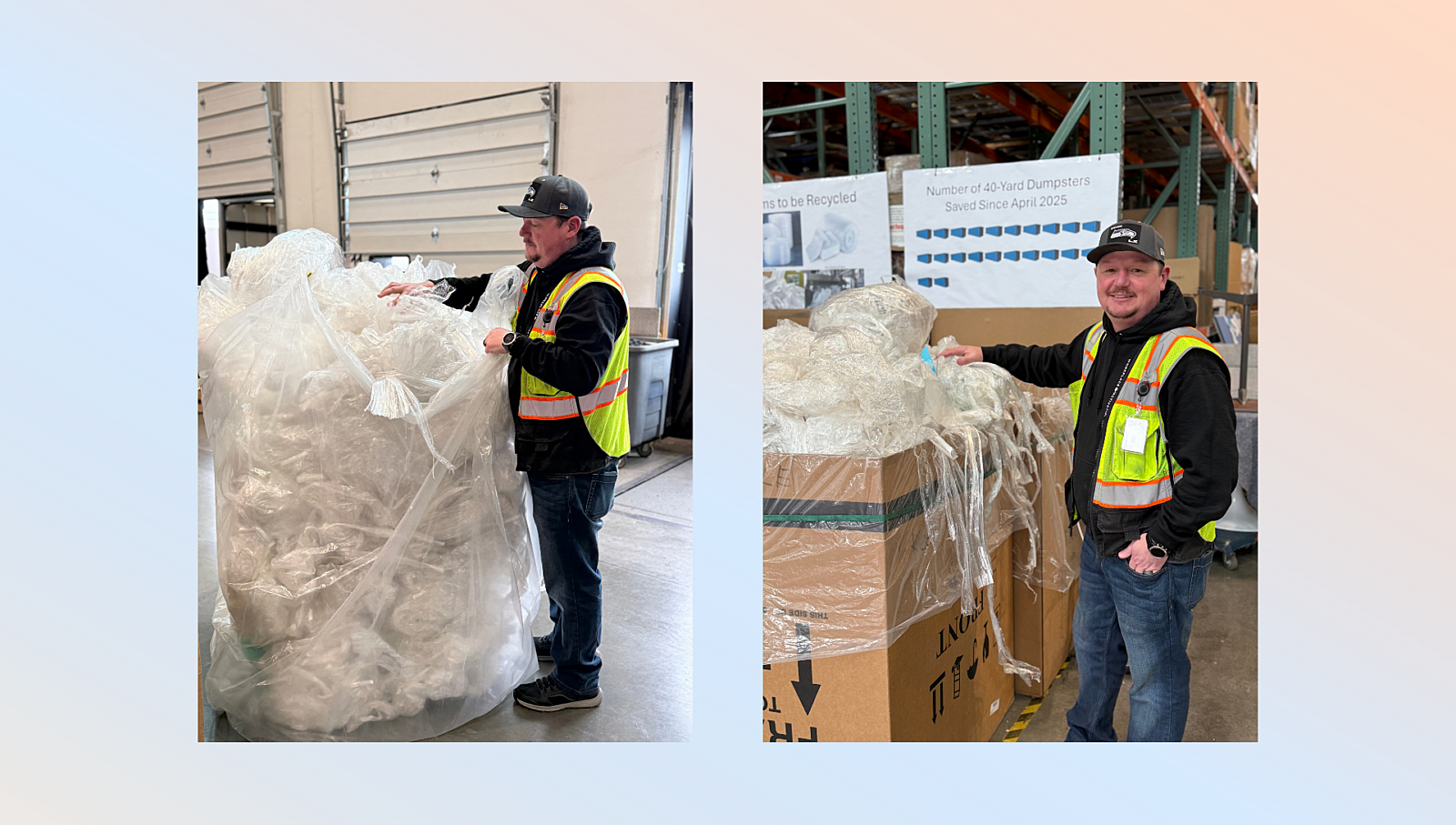
What began as an observation at a community meeting quickly became a practical new approach to handling some of the furniture industry’s hardest-to-recycle materials. Packaging materials such as Styrofoam, shrink wrap, bubble wrap, and foam sheets are a routine part of delivery and installation, yet they have long been treated as unavoidable waste.
At Catalyst, cardboard and metal were already part of the recycling stream, but that effort expanded when our team identified a local recycling partner near our warehouse, creating a practical solution for separating and recycling Styrofoam and plastic packaging. The result is a smarter, more sustainable way to keep valuable materials out of the landfill.
What makes this program different is not just that we are recycling more. It's that we are recycling materials that the furniture industry has historically treated as too difficult, too bulky, or too inconvenient to manage. Our team takes pride in building recycling into every project, even when time is tight.
Sorting does not always happen under perfect conditions, but if the material can stay out of the landfill, the team wants to keep it out.
Ryan Buchanan, Operations Manager
Cardboard and metal recycling have been standard practice for years. Styrofoam and plastic packaging are different. They take up space, they add labor, and they are easy to write off as waste.
By partnering with a local recycling organization, Catalyst created a way to handle those materials more intentionally. Instead of going straight into the dumpster, Styrofoam, shrink wrap, bubble wrap, and foam sheets are now being separated, tracked, and processed.
A Year of Progress
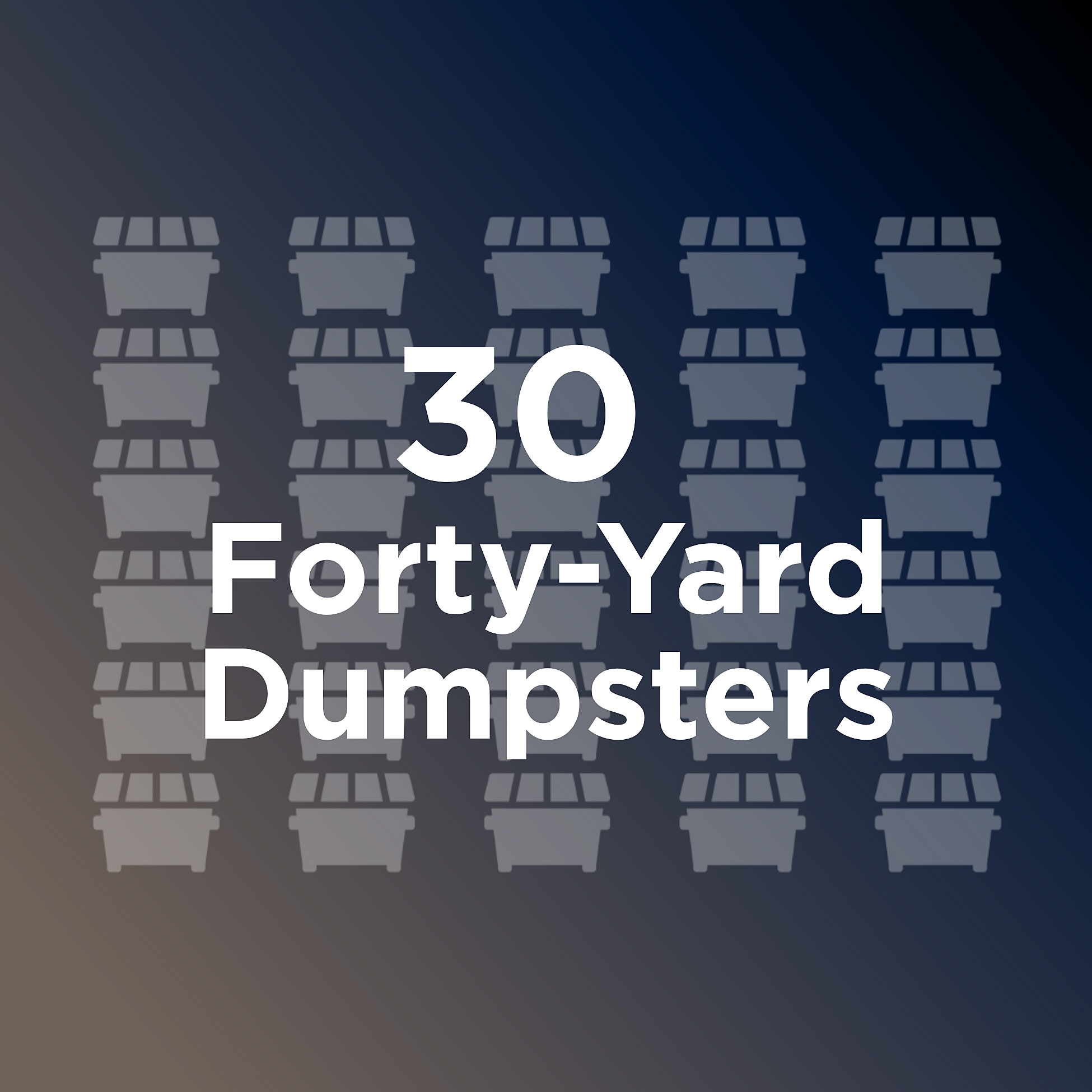
Catalyst has kept 27,235 cubic feet of Styrofoam and plastic out of the landfill in just the first year of this program.
That's the equivalent of:


How Does it Work?
The process is straightforward, but success depends on consistency. Packaging materials are sorted either in the warehouse during assembly or on-site during installation, then returned to the Logistics Center before processing.
What Happens After Sorting?
Once sorted, Styrofoam and plastics are compressed into dense bricks and remanufactured in the United States into products such as outlet covers, trim, chair components, and computer parts.
What's Next for Catalyst's Sustainability?
Finding new ways to recycle Styrofoam and plastic is only the beginning. Catalyst is continuing to rethink how furniture installation waste is managed, with a focus on reducing landfill waste, lowering carbon impact, and building a more sustainable future. As Ryan describes it, the current program is an early milestone in a much broader sustainability journey.