



Hospitality Thinking in Higher Education Design
Explore how hospitality thinking can shape better campus environments, with insights from MillerKnoll and Catalyst's work with Tacoma Community College's Center for Innovative Learning and Engagement.

Why Hospitality Matters in Higher Education Design
Today's campuses are being asked to support more than teaching and learning. They need to help students feel comfortable, connected, and supported throughout the day, while also serving faculty and staff, adapting to new programs, and creating a stronger overall campus experience. That makes furniture planning and interior design more important than ever.
In Hospitality in Higher Education, MillerKnoll reframes the meaning of hospitality in a campus context. It's not about making schools feel like hotels. It's about designing spaces that are easier to navigate, more welcoming, and better suited to the ways people learn, gather, focus, and connect. MillerKnoll organizes this thinking around three ideas: Protection, Intellectual Welcome, and Open Table, that can help owners, designers, project managers, general contractors, and furniture partners make better decisions for the people who use these spaces every day.
Protection: Helping People Feel Comfortable and Oriented
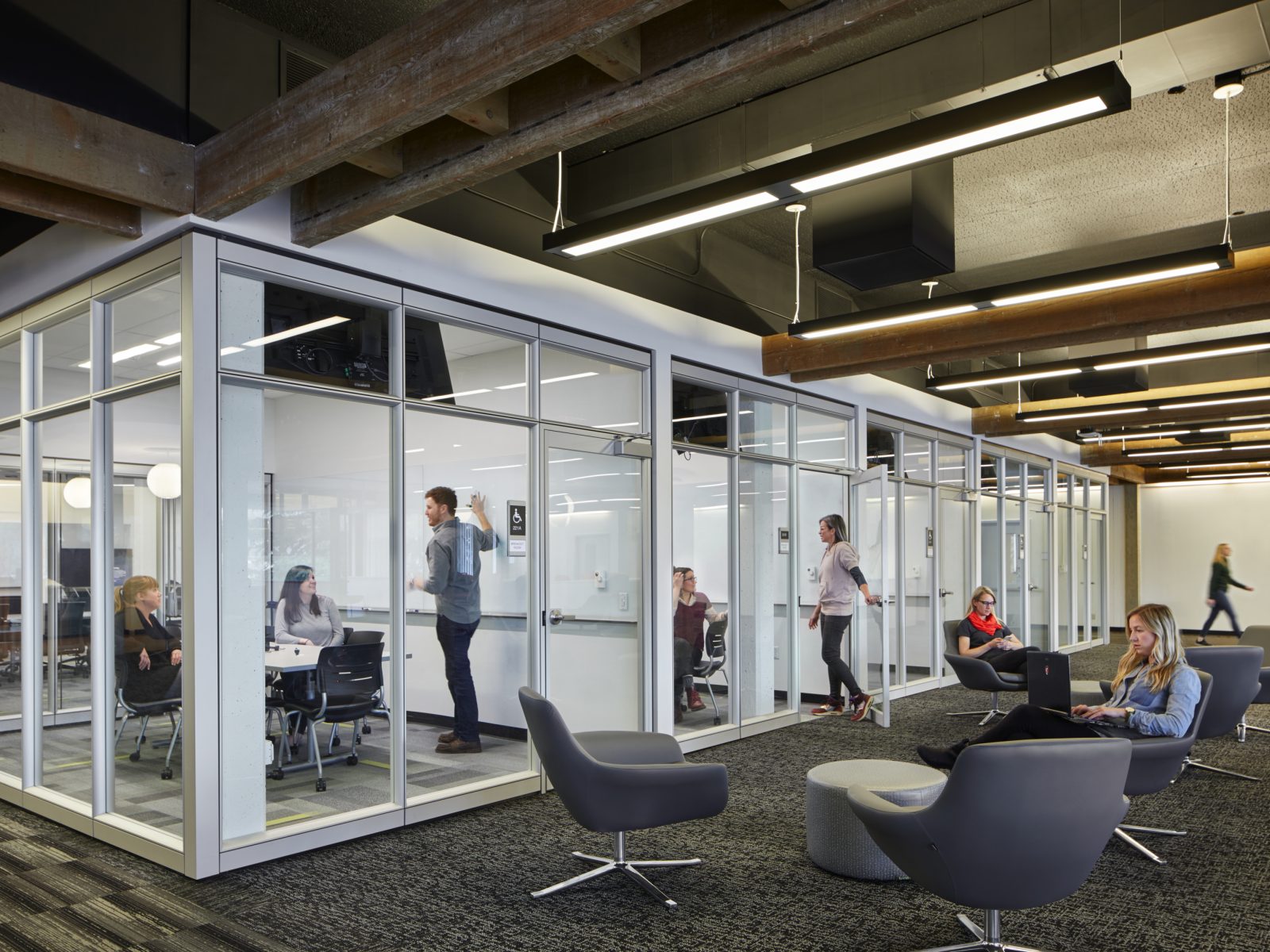
Protection is about helping people feel at ease the moment they enter a space. In higher education, this means clear sightlines, intuitive wayfinding, accessible furniture, and settings that offer different levels of privacy, from quiet zones and individual study areas to secure storage and spaces where students can pause between the demands of the day.
This matters especially in buildings that serve many different users. A student moving between classes needs to quickly find a place to settle and work. A faculty member needs a space to meet one-on-one with a student without it feeling formal or unwelcoming. A visitor needs to understand the building without asking for help. A well-planned environment gives them all clear choices.
Intellectual Welcome: Supporting Participation and Learning
Intellectual Welcome is about creating spaces where people feel invited to engage, and that happens well beyond the classroom. Study areas, team rooms, seminar spaces, and informal gathering zones all play a role.
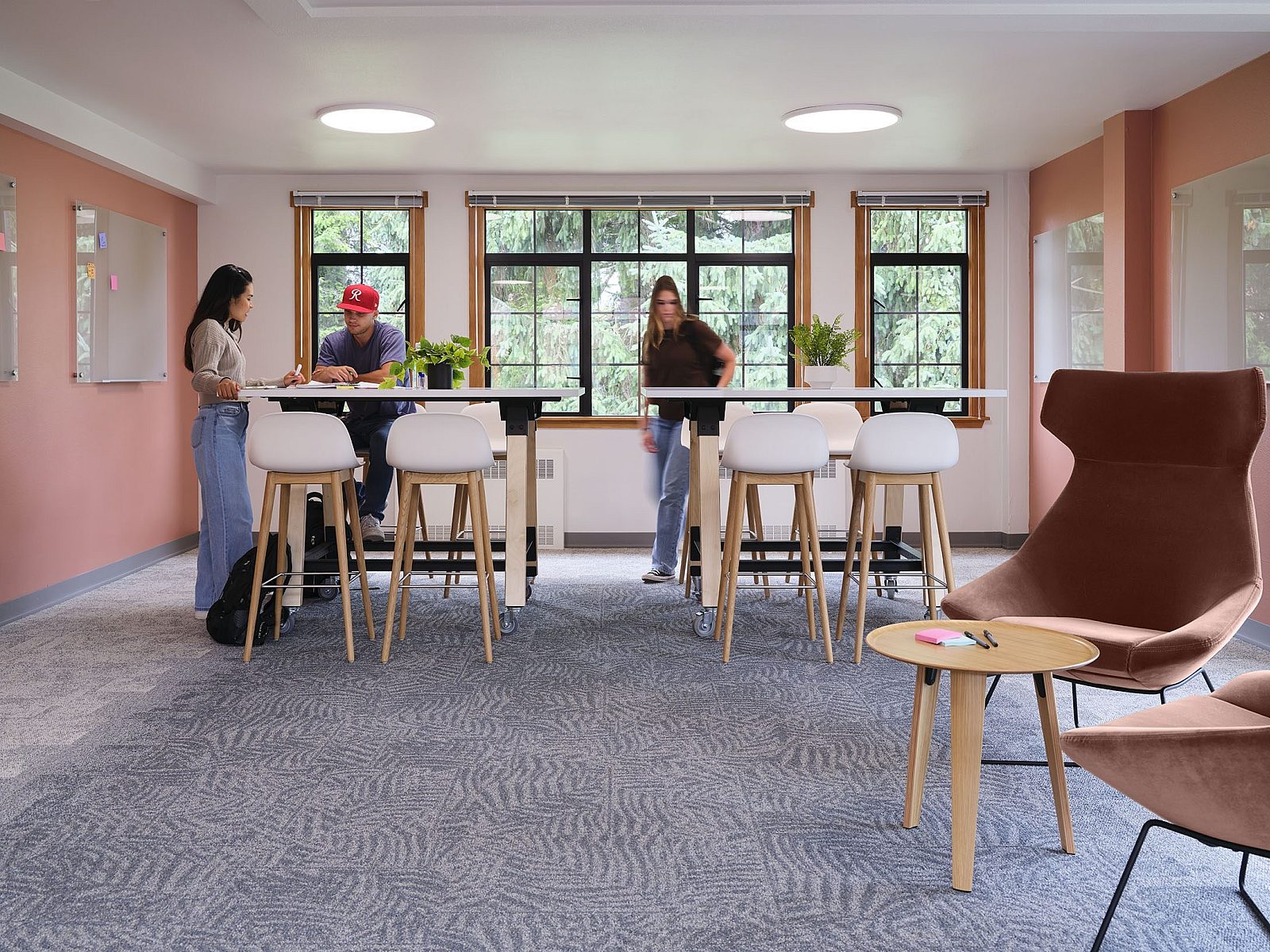
Flexible furniture is central to this idea. Mobile tables, ergonomic seating, writable surfaces, and technology-ready settings can support different teaching styles and learning needs, and help spaces adapt as programs evolve. Some students need quiet before they can participate. Others work best in a group. Faculty benefit from spaces that make it feel natural to have approachable conversations. The goal is an environment that supports all of those different modes.
Open Table: Creating Spaces for Connection
Some of the most important moments on a campus happen outside of scheduled class time: a conversation after a lecture, a study group forming in a lounge, a student who stays on campus between classes instead of leaving. Open Table is about intentionally designing for those moments.
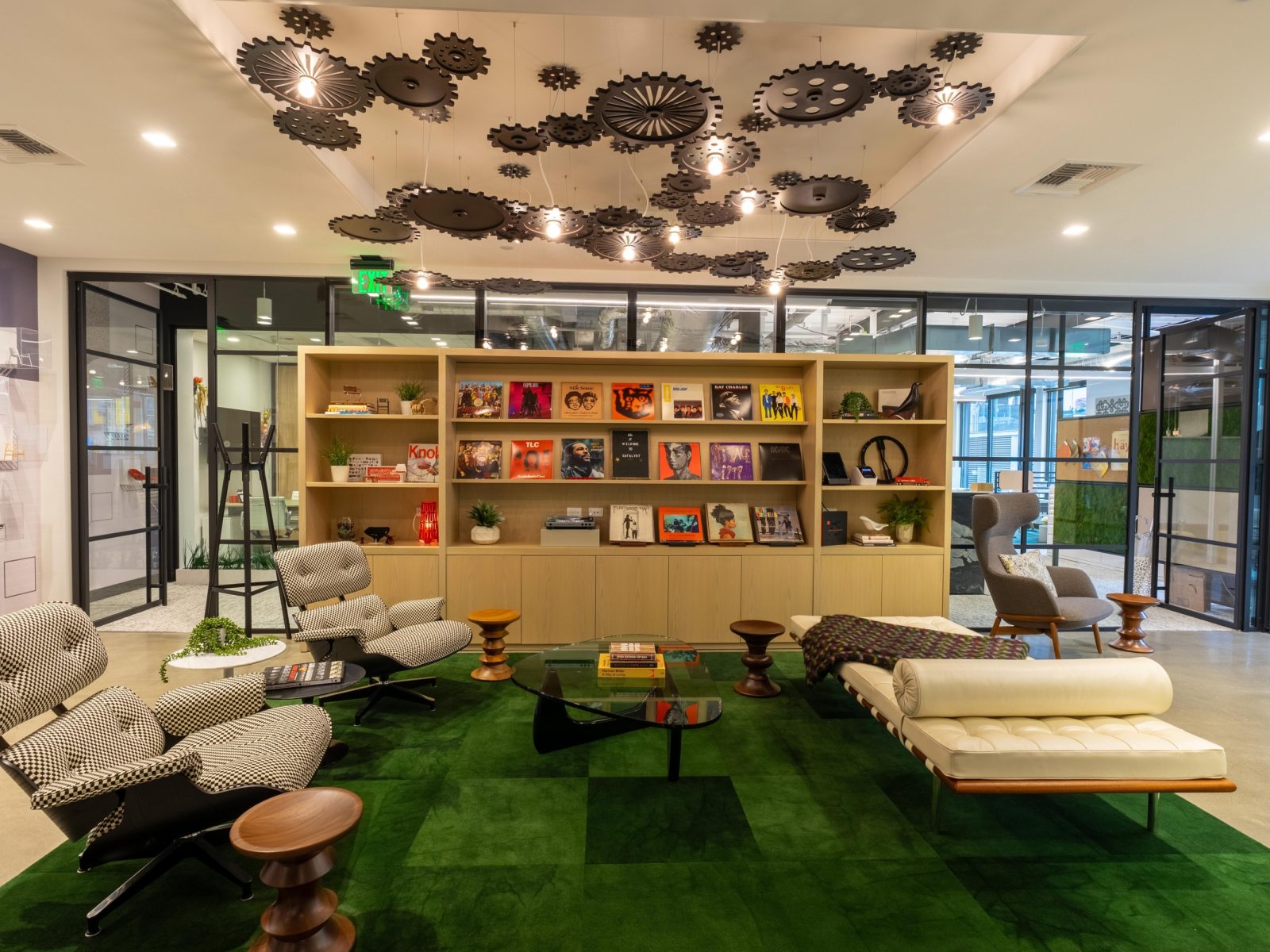
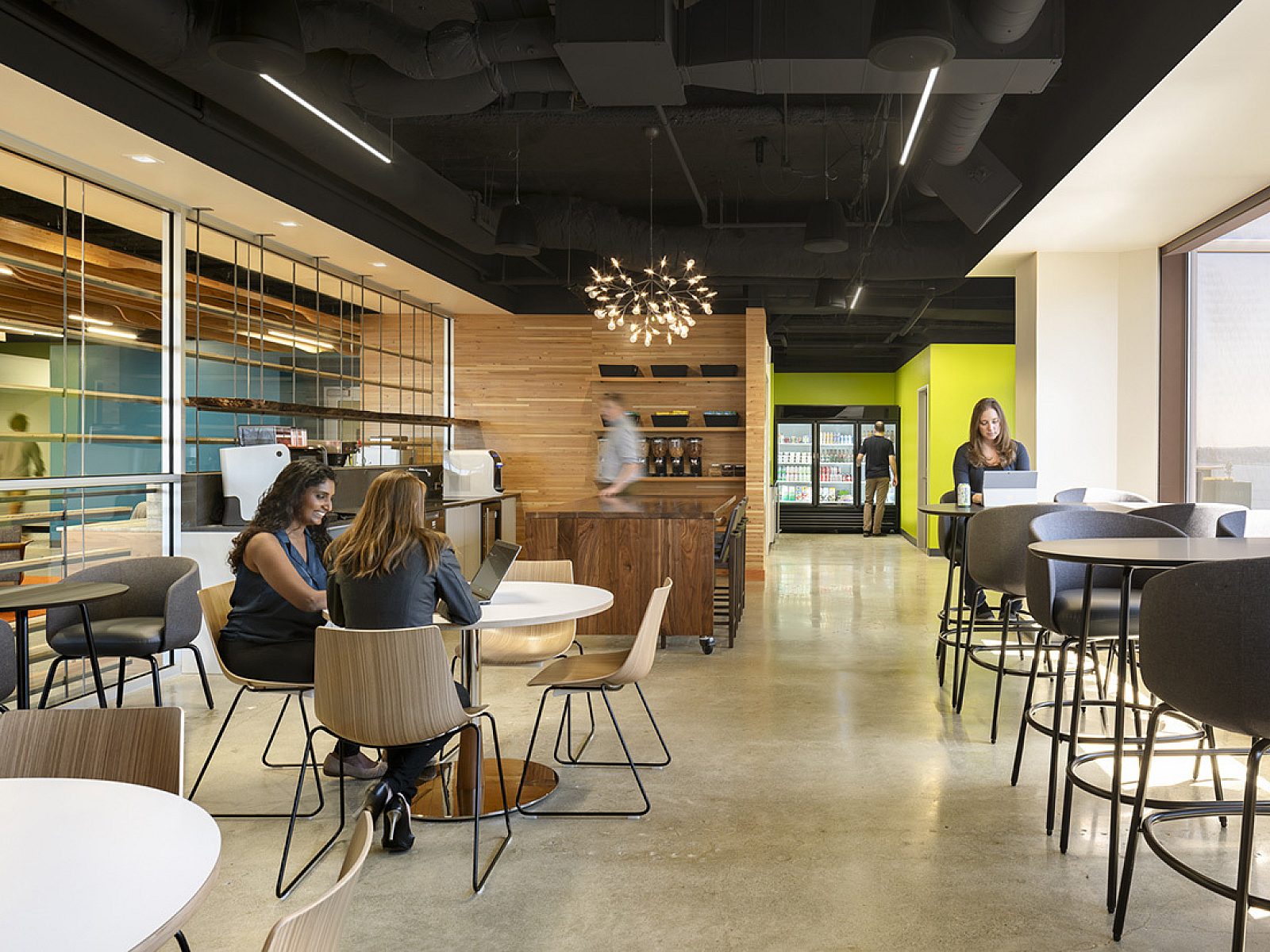
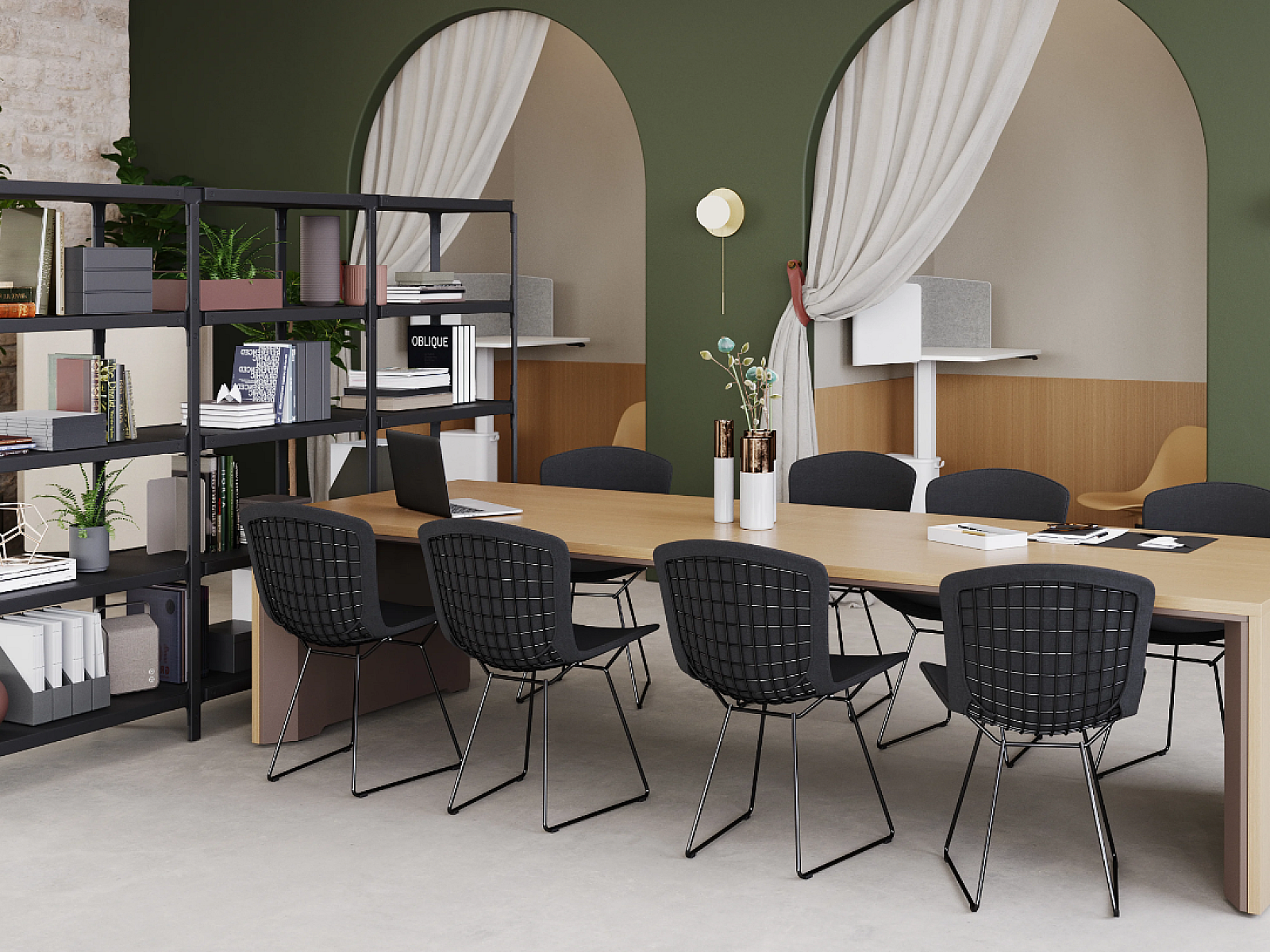
Lounges, open study zones, café-style seating, and shared tables aren't leftover space. When furnished with purpose, they support focus, social connection, and community throughout the day. For project teams, that means these areas deserve the same planning attention as classrooms and offices.


Bringing These Ideas to Life at Tacoma Community College
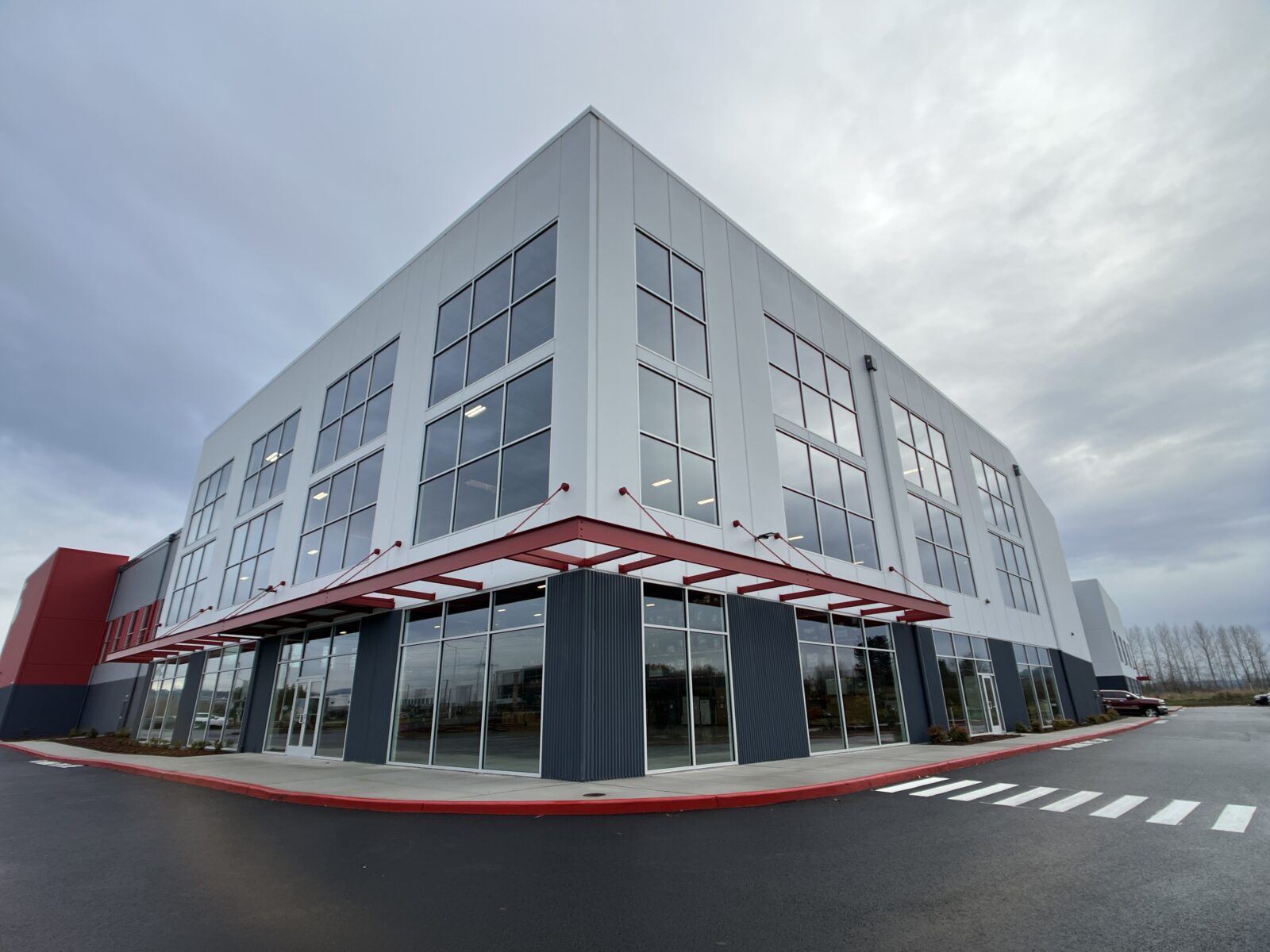
Catalyst partnered with Tacoma Community College and Mithun to furnish the new Center for Innovative Learning and Engagement, an interdisciplinary hub uniting their Business, Humanities, and Social Sciences departments. The building needed to serve a wide range of users and activities throughout the day, and the furniture strategy needed to reflect that range.
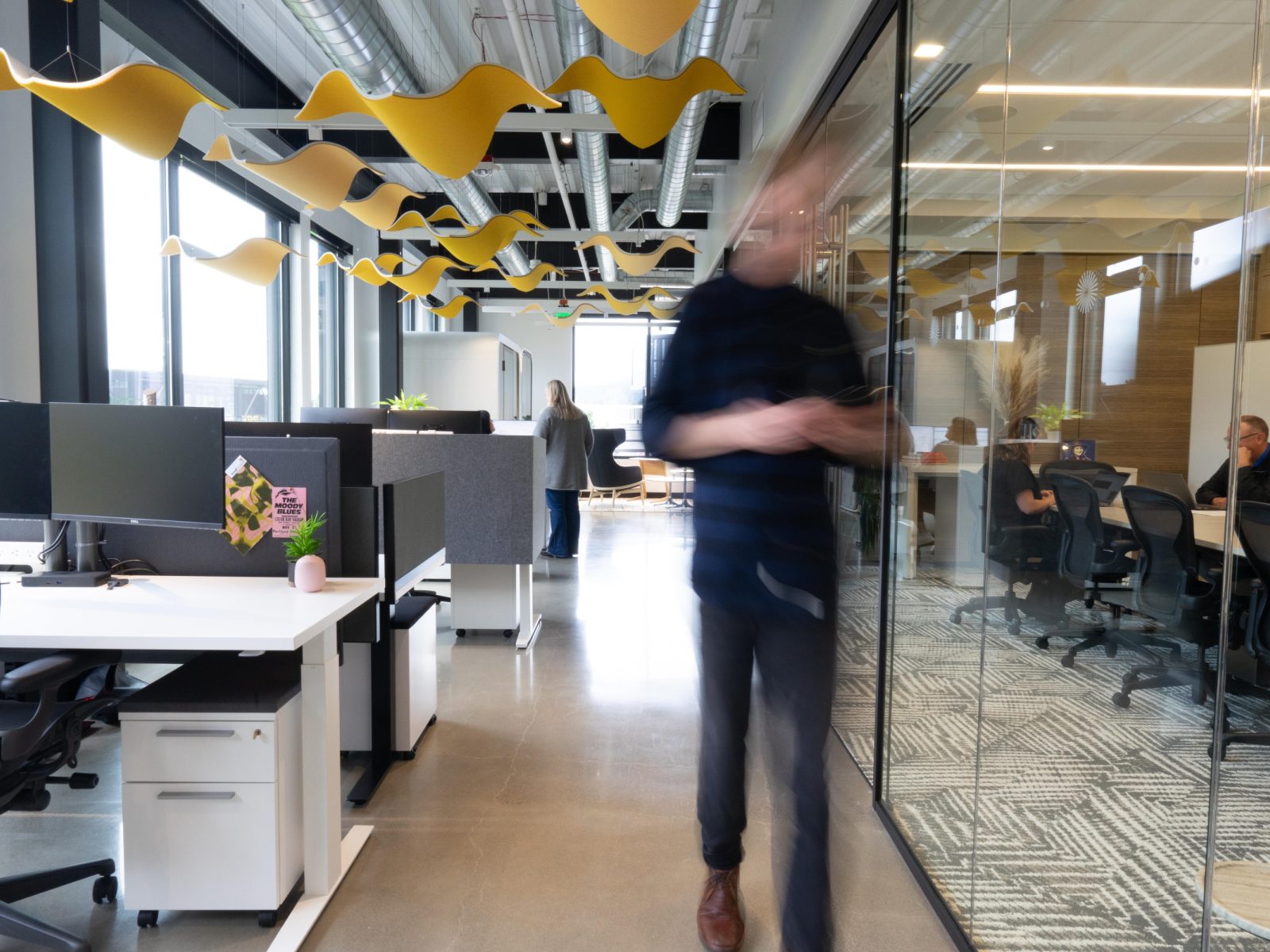
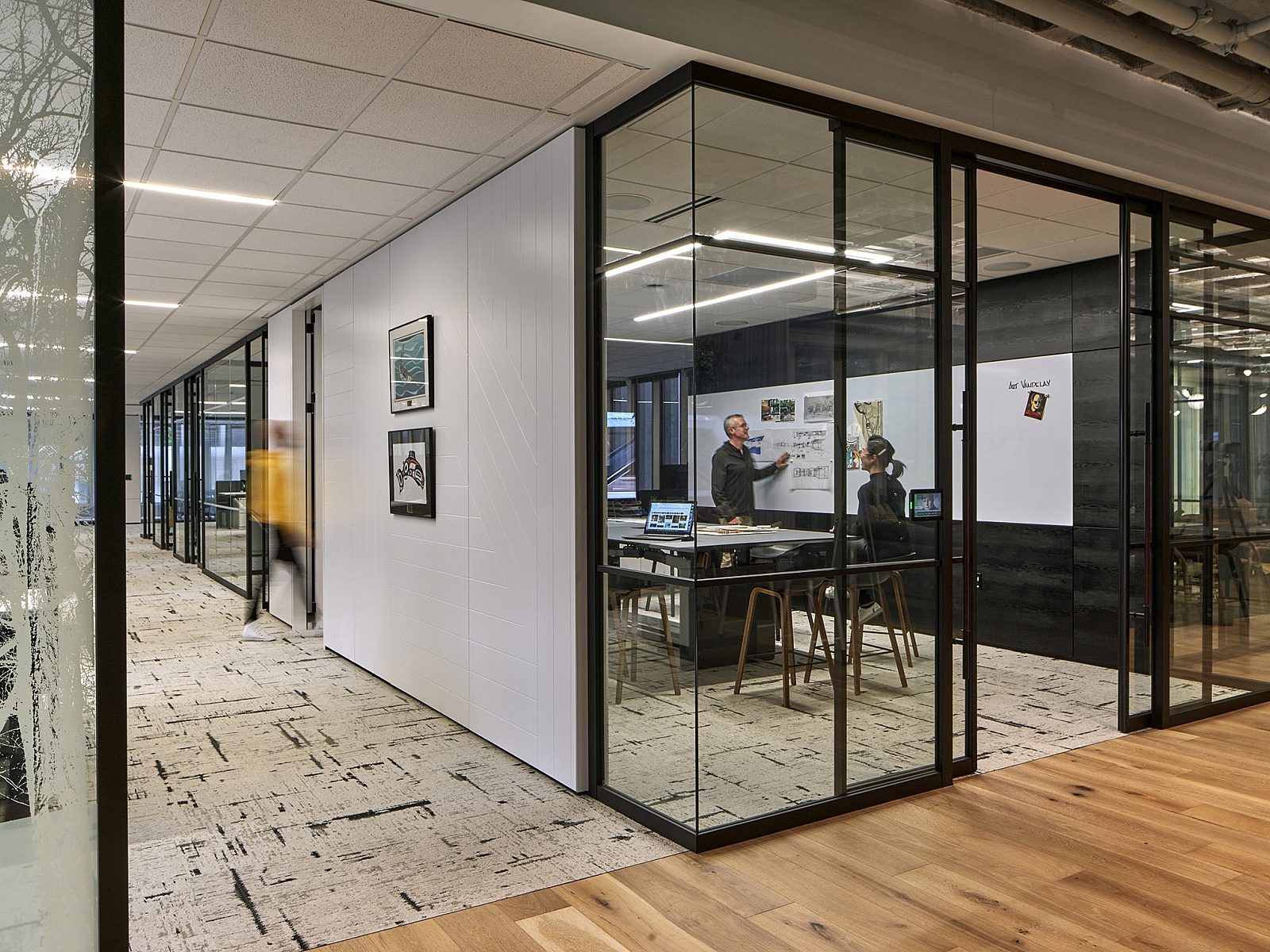
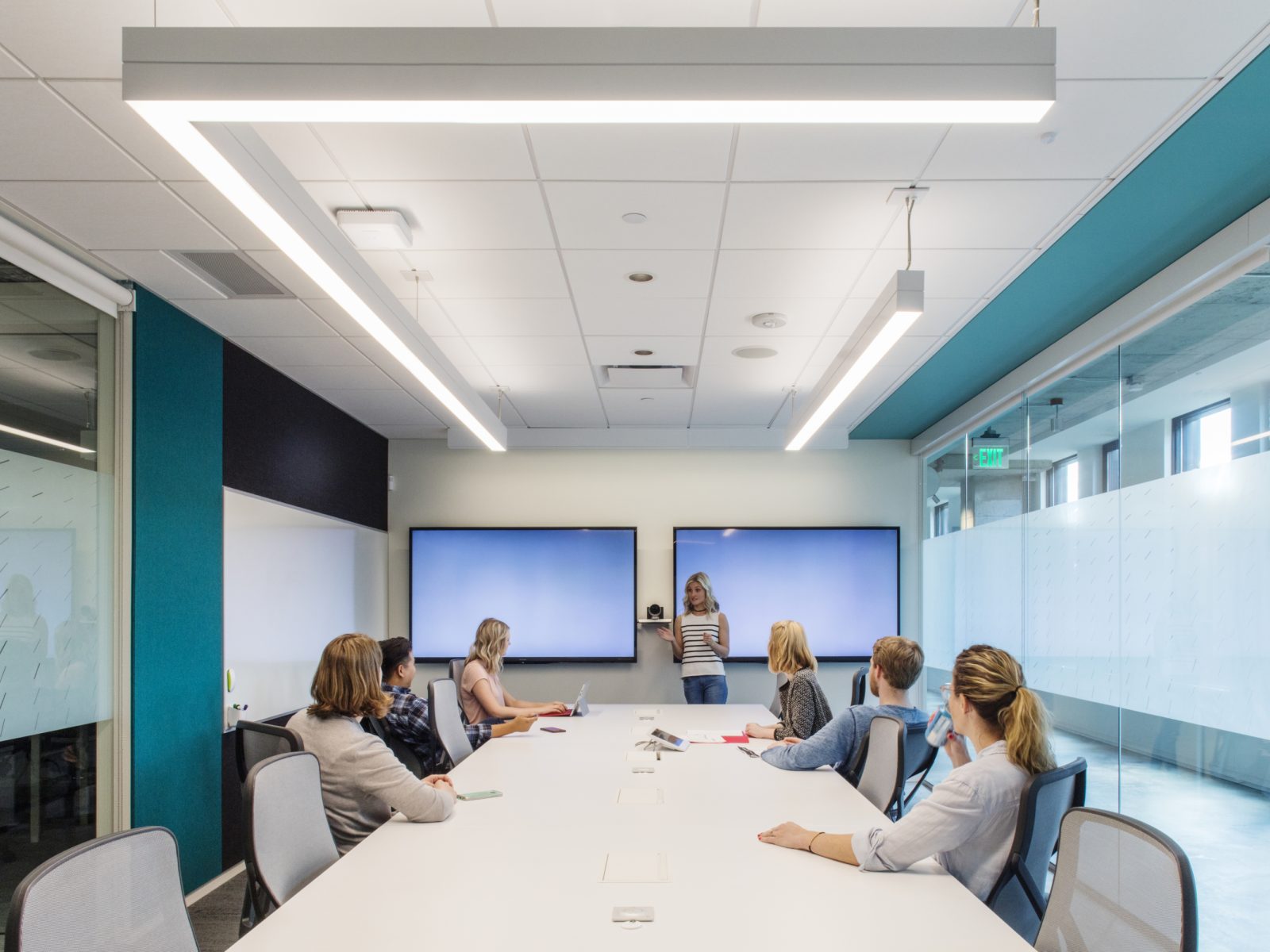
The result is an environment where each space is tailored to its purpose while contributing to a cohesive whole. Student gathering areas feature modular seating and soft lounges that invite informal connection. Instructional spaces are equipped with mobile tables and ergonomic chairs that support different teaching formats. Individual study pods, high-top workstations, and technology-ready furnishings give students options for quiet focus or group work depending on what they need in the moment.
Materials were selected for durability and sustainability, and colors, textures, and finishes were chosen to complement Mithun's design palette, inspired by the surrounding Pacific Northwest landscape. Many pieces can be reconfigured over time, keeping the building adaptable as TCC's programs continue to grow.
The CILE shows what it looks like when hospitality thinking moves from framework to finished space: a building where students, faculty, and staff can navigate comfortably, participate fully, and find a place that works for them throughout the day.


What Higher Education Project Teams Can Take Away
Hospitality thinking gives project teams a practical lens for evaluating space, not just aesthetically, but functionally. The questions worth asking on any higher education project:
- Can people understand how to use this space quickly?
- Does it support different ways of learning and working?
- Are there options for focus, collaboration, privacy, and gathering?
- Can the furniture adapt as needs change?
- Does the space help people feel comfortable enough to stay and participate?
These aren't just design questions. They connect every decision, from furniture specification to space planning, to the daily experience of the people who use the building.
Connect with Catalyst
Interested in creating more flexible, student-centered education spaces? Connect with us to explore furniture solutions for your next higher education project.